Choose a length you have time for, or search the catalog notes. Source labels are not an acoustically reviewed answer key; quiet and loud grunts still have no examples.
15 of 15 recordings match. 0 of 2 selected for comparison.
Search uses catalog notes, which may be abridged. Changing filters or selections, or following a link, stops active audio. Search text and comparison selections are not stored or sent to analytics. Recording-play measurement follows your existing consent choice.
Compare two recordings
Choose up to two originals below. Compare what you hear and what each source documents; this is not a similarity score, call translation or test of individual identity.
Catalog note: Call of Corvus brachyrhynchos (American Crow)
Open American crow · United States Geological Survey: audio, sound picture and source
American crow · United States Geological Survey
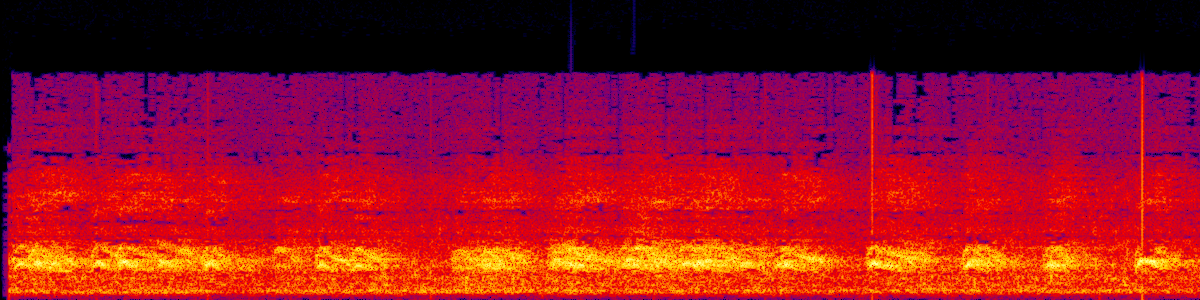
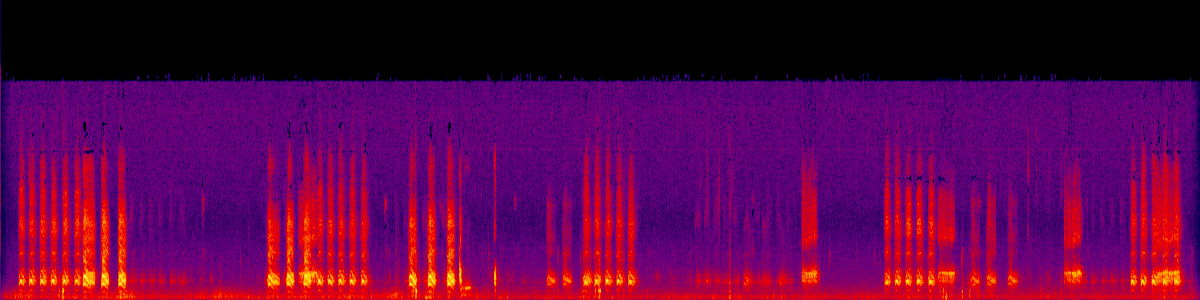
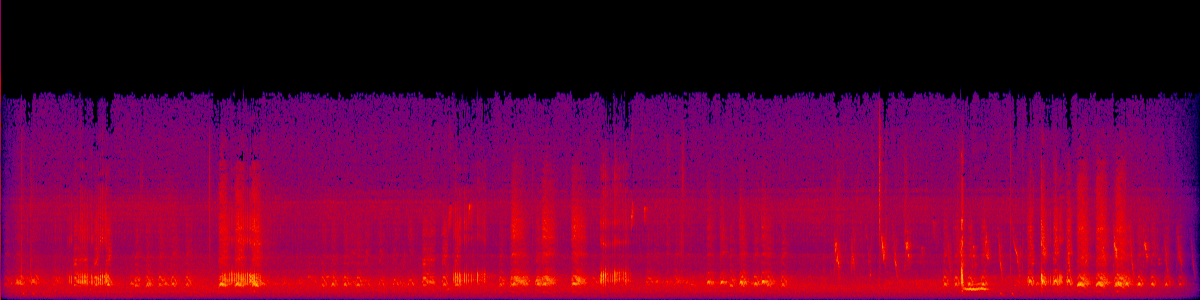
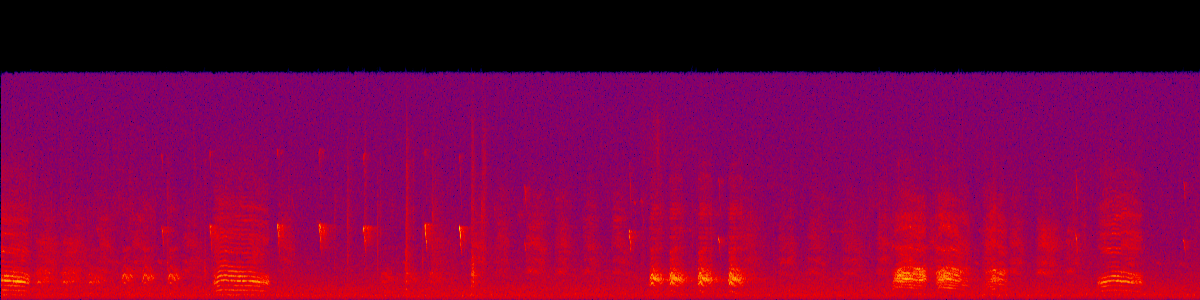
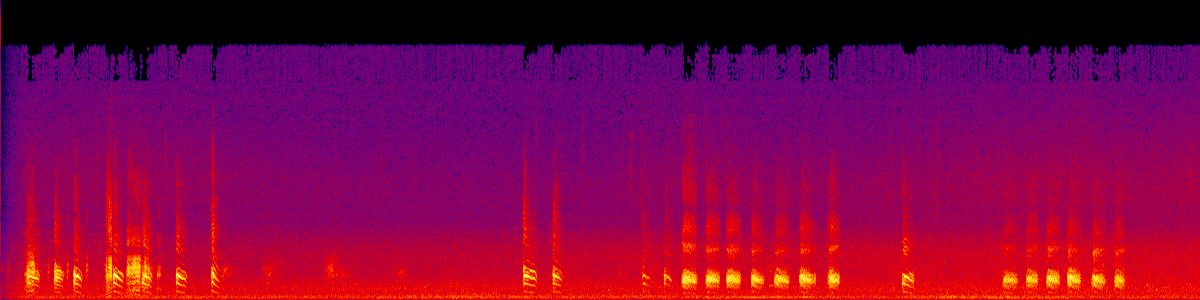
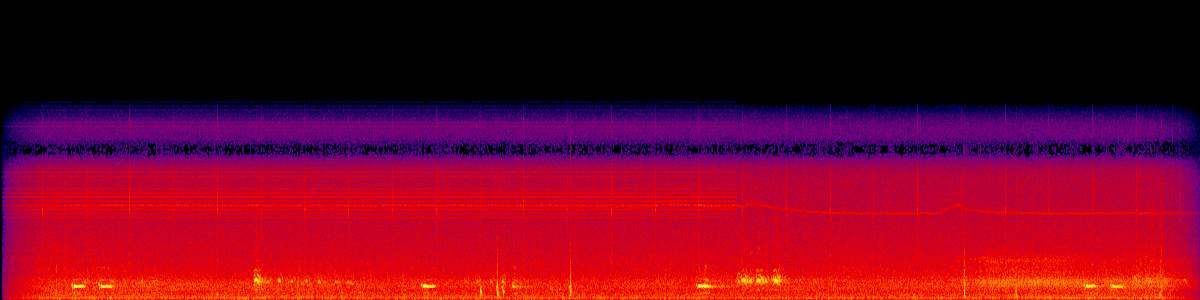
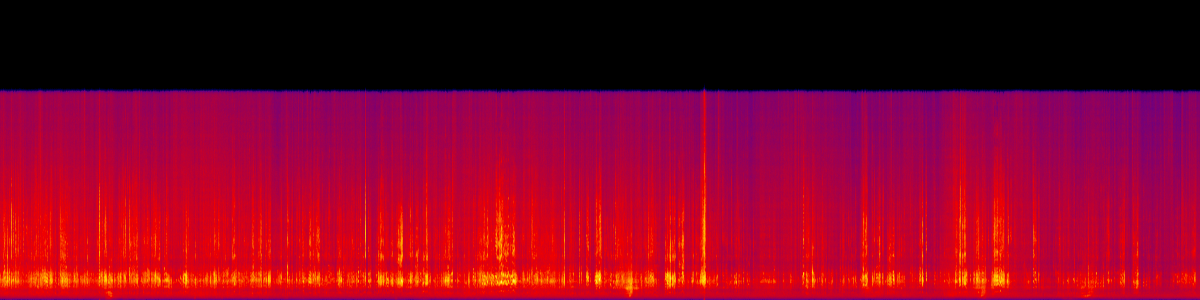
Field recording · 8 secondsRead left to right as time passes; higher marks represent higher frequencies. Colour shows recorded energy, not the bird’s intent. Recording levels affect brightness.
Listen now. The observation and replay controls will be ready shortly.
0 / 8 s
Audio loads only when you press Play or Replay.
Recording source and limits
Archive identifier: corvus-brachyrhynchos-call.
United States Geological Survey, date not supplied. Public domain.
Archive description: Call of Corvus brachyrhynchos (American Crow)
The group label comes from source metadata. Source observations, where supplied, are the recordist’s account; they are not a reviewed answer key or a translation.
United States Geological Survey · Date not supplied · Public domain
Catalog note: Call of Corvus brachyrhynchos (American Crow) These notes may be abridged; inspect the original source.
Source group: Territorial caw. This is a metadata grouping, not a reviewed call meaning or an individual bird ID.
What to compare in the sound picture
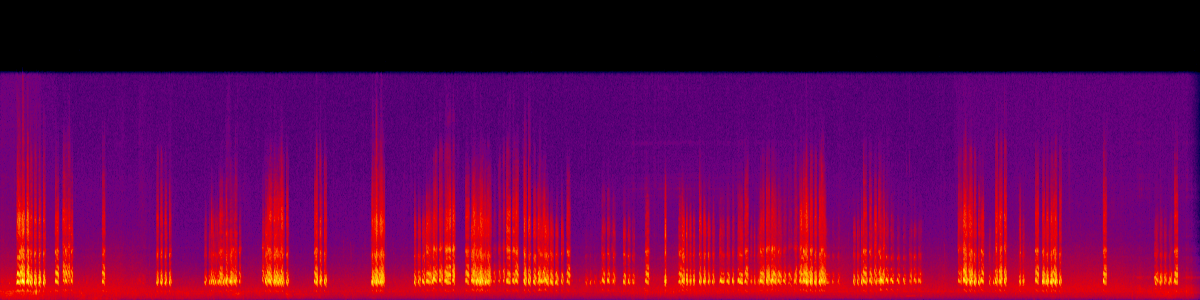
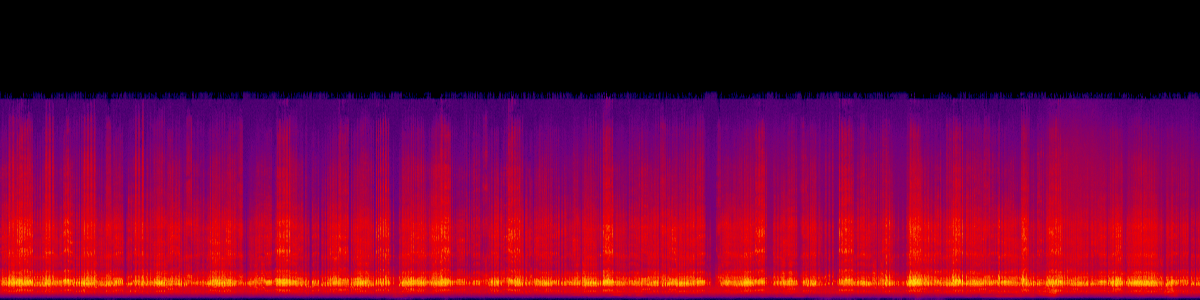
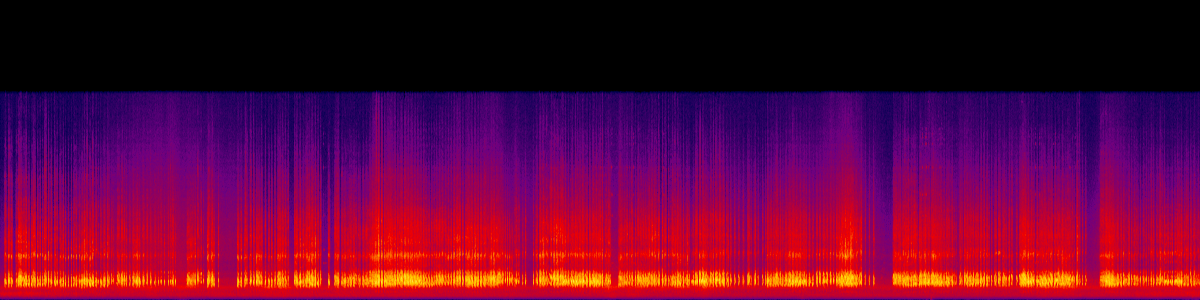
Look for gaps between marks and where frequency bands appear over time. Files have different lengths and recording levels; the pictures do not share a calibrated loudness scale. A similar-looking mark does not establish similar intent. Pause freely and describe what you notice without assigning a message.
American crow · G McGrane
19.9 seconds · full original
Catalog note: Typical American Crow call. Recorded with parabolic mike.
Open American crow · G McGrane: audio, sound picture and source
American crow · G McGrane
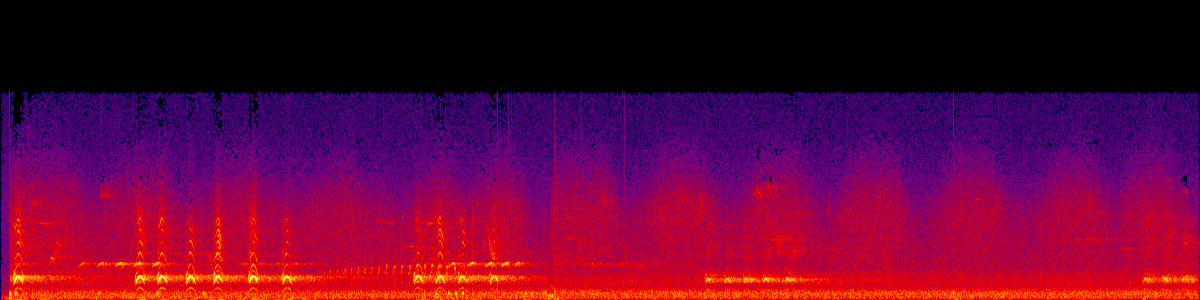
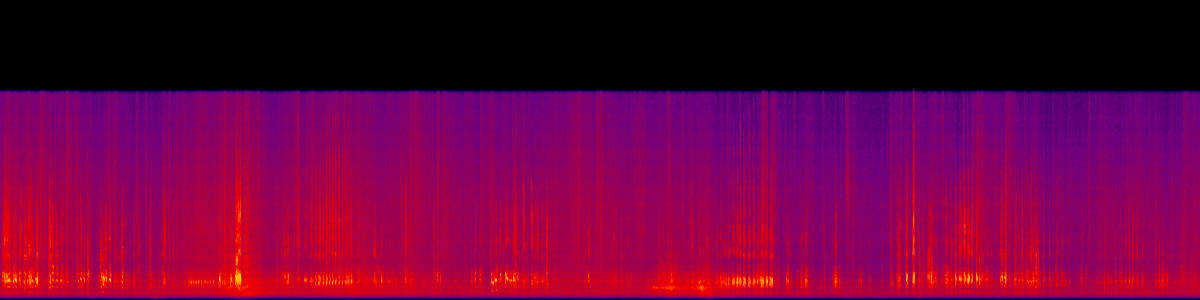
Field recording · 20 secondsRead left to right as time passes; higher marks represent higher frequencies. Colour shows recorded energy, not the bird’s intent. Recording levels affect brightness.
Listen now. The observation and replay controls will be ready shortly.
Archive description: Typical American Crow call. Recorded with parabolic mike.
The group label comes from source metadata. Source observations, where supplied, are the recordist’s account; they are not a reviewed answer key or a translation.
Catalog note: Typical American Crow call. Recorded with parabolic mike. These notes may be abridged; inspect the original source.
Source group: Territorial caw. This is a metadata grouping, not a reviewed call meaning or an individual bird ID.
What to compare in the sound picture
Look for gaps between marks and where frequency bands appear over time. Files have different lengths and recording levels; the pictures do not share a calibrated loudness scale. A similar-looking mark does not establish similar intent. Pause freely and describe what you notice without assigning a message.
XC112829 · American crow
135.3 seconds · full original
Catalog note: The recordist reports seeing the bird. No further behavior note is supplied in this catalog.
Open XC112829 · American crow: audio, sound picture and source
XC112829 · American crow
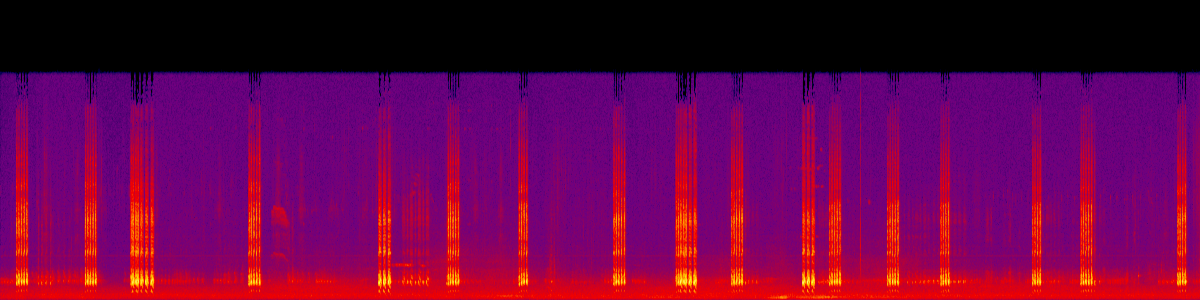
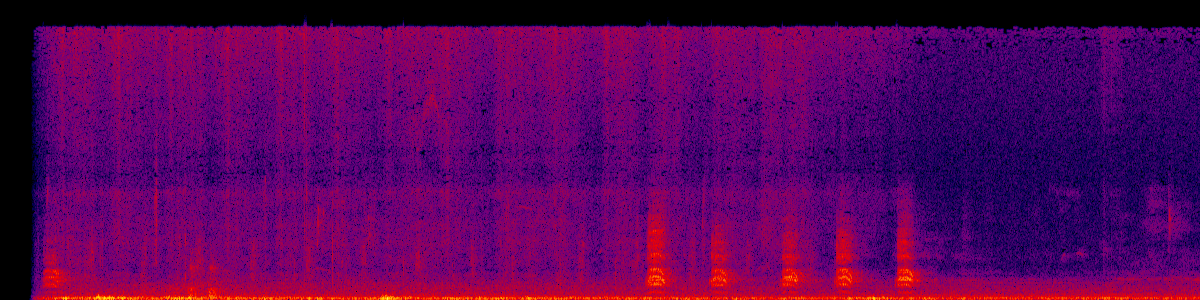
Field recording · 135 secondsRead left to right as time passes; higher marks represent higher frequencies. Colour shows recorded energy, not the bird’s intent. Recording levels affect brightness.
Listen now. The observation and replay controls will be ready shortly.
The group label comes from source metadata. Source observations, where supplied, are the recordist’s account; they are not a reviewed answer key or a translation.
Catalog note: The recordist reports seeing the bird. No further behavior note is supplied in this catalog. These notes may be abridged; inspect the original source.
Source group: Companion / contact. This is a metadata grouping, not a reviewed call meaning or an individual bird ID.
What to compare in the sound picture
Look for gaps between marks and where frequency bands appear over time. Files have different lengths and recording levels; the pictures do not share a calibrated loudness scale. A similar-looking mark does not establish similar intent. Pause freely and describe what you notice without assigning a message.
XC112598 · American crow
126.6 seconds · full original
Catalog note: A couple of crows calling from about 10m up in neighboring Cottonwood trees.
Open XC112598 · American crow: audio, sound picture and source
XC112598 · American crow
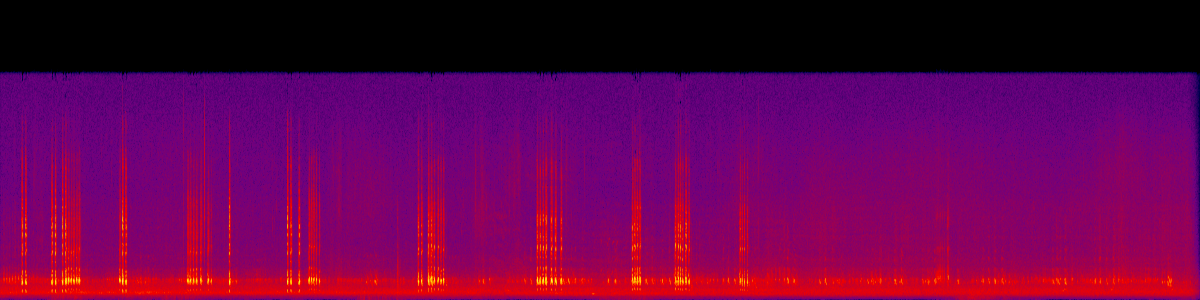
Field recording · 127 secondsRead left to right as time passes; higher marks represent higher frequencies. Colour shows recorded energy, not the bird’s intent. Recording levels affect brightness.
Listen now. The observation and replay controls will be ready shortly.
Archive description: A couple of crows calling from about 10m up in neighboring Cottonwood trees.
Source observations: The recordist describes a bird appearing to draw in air, bend its back and lower its bill toward its chest alongside quiet hoo-woo sounds at 1:52, 1:57 and 2:03. These are reported observations near the end of the full file, outside an opening eight-second excerpt. They do not establish the bird’s intent or a universal call meaning.
The group label comes from source metadata. Source observations, where supplied, are the recordist’s account; they are not a reviewed answer key or a translation.
Catalog note: A couple of crows calling from about 10m up in neighboring Cottonwood trees. These notes may be abridged; inspect the original source.
Reported observations: The recordist describes a bird appearing to draw in air, bend its back and lower its bill toward its chest alongside quiet hoo-woo sounds at 1:52, 1:57 and 2:03. These are reported observations near the end of the full file, outside an opening eight-second excerpt. They do not establish the bird’s intent or a universal call meaning.
Source group: Companion / contact. This is a metadata grouping, not a reviewed call meaning or an individual bird ID.
What to compare in the sound picture
Look for gaps between marks and where frequency bands appear over time. Files have different lengths and recording levels; the pictures do not share a calibrated loudness scale. A similar-looking mark does not establish similar intent. Pause freely and describe what you notice without assigning a message.
XC69128 · American crow
46.5 seconds · full original
Catalog note: The recordist reports seeing the bird. No further behavior note is supplied in this catalog.
Open XC69128 · American crow: audio, sound picture and source
XC69128 · American crow
Field recording · 47 secondsRead left to right as time passes; higher marks represent higher frequencies. Colour shows recorded energy, not the bird’s intent. Recording levels affect brightness.
Listen now. The observation and replay controls will be ready shortly.
The group label comes from source metadata. Source observations, where supplied, are the recordist’s account; they are not a reviewed answer key or a translation.
Catalog note: The recordist reports seeing the bird. No further behavior note is supplied in this catalog. These notes may be abridged; inspect the original source.
Source group: Companion / contact. This is a metadata grouping, not a reviewed call meaning or an individual bird ID.
What to compare in the sound picture
Look for gaps between marks and where frequency bands appear over time. Files have different lengths and recording levels; the pictures do not share a calibrated loudness scale. A similar-looking mark does not establish similar intent. Pause freely and describe what you notice without assigning a message.
XC115429 · American crow
34.2 seconds · full original
Catalog note: Soft rattling calls given at approximately 10m from microphone, and at least one 'coo' sound around 0:27.
Open XC115429 · American crow: audio, sound picture and source
XC115429 · American crow
Field recording · 34 secondsRead left to right as time passes; higher marks represent higher frequencies. Colour shows recorded energy, not the bird’s intent. Recording levels affect brightness.
Listen now. The observation and replay controls will be ready shortly.
Archive description: Soft rattling calls given at approximately 10m from microphone, and at least one 'coo' sound around 0:27.
The group label comes from source metadata. Source observations, where supplied, are the recordist’s account; they are not a reviewed answer key or a translation.
Catalog note: Soft rattling calls given at approximately 10m from microphone, and at least one 'coo' sound around 0:27. These notes may be abridged; inspect the original source.
Source group: Rattle complex. This is a metadata grouping, not a reviewed call meaning or an individual bird ID.
What to compare in the sound picture
Look for gaps between marks and where frequency bands appear over time. Files have different lengths and recording levels; the pictures do not share a calibrated loudness scale. A similar-looking mark does not establish similar intent. Pause freely and describe what you notice without assigning a message.
XC110263 · American crow
26 seconds · full original
Catalog note: A variety of calls from a small flock of crows high in a stand of pine at a suburban nature preserve.
Open XC110263 · American crow: audio, sound picture and source
XC110263 · American crow
Field recording · 26 secondsRead left to right as time passes; higher marks represent higher frequencies. Colour shows recorded energy, not the bird’s intent. Recording levels affect brightness.
Listen now. The observation and replay controls will be ready shortly.
Archive description: A variety of calls from a small flock of crows high in a stand of pine at a suburban nature preserve.
The group label comes from source metadata. Source observations, where supplied, are the recordist’s account; they are not a reviewed answer key or a translation.
Catalog note: A variety of calls from a small flock of crows high in a stand of pine at a suburban nature preserve. These notes may be abridged; inspect the original source.
Source group: Assembly / flock. This is a metadata grouping, not a reviewed call meaning or an individual bird ID.
What to compare in the sound picture
Look for gaps between marks and where frequency bands appear over time. Files have different lengths and recording levels; the pictures do not share a calibrated loudness scale. A similar-looking mark does not establish similar intent. Pause freely and describe what you notice without assigning a message.
XC80525 · American crow
28.9 seconds · full original
Catalog note: higher-pitched begging calls from a juvenile, and some adult calls
Open XC80525 · American crow: audio, sound picture and source
XC80525 · American crow
Field recording · 29 secondsRead left to right as time passes; higher marks represent higher frequencies. Colour shows recorded energy, not the bird’s intent. Recording levels affect brightness.
Listen now. The observation and replay controls will be ready shortly.
Archive description: higher-pitched begging calls from a juvenile, and some adult calls
The group label comes from source metadata. Source observations, where supplied, are the recordist’s account; they are not a reviewed answer key or a translation.
Catalog note: higher-pitched begging calls from a juvenile, and some adult calls These notes may be abridged; inspect the original source.
Source group: Juvenile begging. This is a metadata grouping, not a reviewed call meaning or an individual bird ID.
What to compare in the sound picture
Look for gaps between marks and where frequency bands appear over time. Files have different lengths and recording levels; the pictures do not share a calibrated loudness scale. A similar-looking mark does not establish similar intent. Pause freely and describe what you notice without assigning a message.
XC91560 · American crow
35.2 seconds · full original
Catalog note: rather atypical call. Lone bird calling from a tree in an urban park.
Open XC91560 · American crow: audio, sound picture and source
XC91560 · American crow
Field recording · 35 secondsRead left to right as time passes; higher marks represent higher frequencies. Colour shows recorded energy, not the bird’s intent. Recording levels affect brightness.
Listen now. The observation and replay controls will be ready shortly.
Archive description: rather atypical call. Lone bird calling from a tree in an urban park.
The group label comes from source metadata. Source observations, where supplied, are the recordist’s account; they are not a reviewed answer key or a translation.
Catalog note: rather atypical call. Lone bird calling from a tree in an urban park. These notes may be abridged; inspect the original source.
Source group: Exceptional / atypical. This is a metadata grouping, not a reviewed call meaning or an individual bird ID.
What to compare in the sound picture
Look for gaps between marks and where frequency bands appear over time. Files have different lengths and recording levels; the pictures do not share a calibrated loudness scale. A similar-looking mark does not establish similar intent. Pause freely and describe what you notice without assigning a message.
XC121396 · American crow
152.6 seconds · full original
Catalog note: A small group of crows (10-15) perched above me in a large cottonwood tree and screaming down at me. Periodically one or two would launch into the air and circ…
Open XC121396 · American crow: audio, sound picture and source
XC121396 · American crow
Field recording · 153 secondsRead left to right as time passes; higher marks represent higher frequencies. Colour shows recorded energy, not the bird’s intent. Recording levels affect brightness.
Listen now. The observation and replay controls will be ready shortly.
Archive description: A small group of crows (10-15) perched above me in a large cottonwood tree and screaming down at me. Periodically one or two would launch into the air and circle above me while calling. Several others flew in to join
The group label comes from source metadata. Source observations, where supplied, are the recordist’s account; they are not a reviewed answer key or a translation.
Catalog note: A small group of crows (10-15) perched above me in a large cottonwood tree and screaming down at me. Periodically one or two would launch into the air and circ… These notes may be abridged; inspect the original source.
Source group: Mobbing / scolding. This is a metadata grouping, not a reviewed call meaning or an individual bird ID.
What to compare in the sound picture
Look for gaps between marks and where frequency bands appear over time. Files have different lengths and recording levels; the pictures do not share a calibrated loudness scale. A similar-looking mark does not establish similar intent. Pause freely and describe what you notice without assigning a message.
XC155441 · American crow
229.8 seconds · full original
Catalog note: Calls from an autumn flock of approximately 50 birds in a urban park. In addition to the standard 'caw' calls, there are several rattles, and a few soft, double…
Open XC155441 · American crow: audio, sound picture and source
XC155441 · American crow
Field recording · 230 secondsRead left to right as time passes; higher marks represent higher frequencies. Colour shows recorded energy, not the bird’s intent. Recording levels affect brightness.
Listen now. The observation and replay controls will be ready shortly.
Archive description: Calls from an autumn flock of approximately 50 birds in a urban park. In addition to the standard 'caw' calls, there are several rattles, and a few soft, doubled hooting calls (e.g. 0:58, 1:06, 3:31) from a bird directl
The group label comes from source metadata. Source observations, where supplied, are the recordist’s account; they are not a reviewed answer key or a translation.
Catalog note: Calls from an autumn flock of approximately 50 birds in a urban park. In addition to the standard 'caw' calls, there are several rattles, and a few soft, double… These notes may be abridged; inspect the original source.
Source group: Rattle complex. This is a metadata grouping, not a reviewed call meaning or an individual bird ID.
What to compare in the sound picture
Look for gaps between marks and where frequency bands appear over time. Files have different lengths and recording levels; the pictures do not share a calibrated loudness scale. A similar-looking mark does not establish similar intent. Pause freely and describe what you notice without assigning a message.
XC155440 · American crow
200.5 seconds · full original
Catalog note: Calls from a flock of approximately 30 birds in a large elm tree in residential neighborhood.
Open XC155440 · American crow: audio, sound picture and source
XC155440 · American crow
Field recording · 201 secondsRead left to right as time passes; higher marks represent higher frequencies. Colour shows recorded energy, not the bird’s intent. Recording levels affect brightness.
Listen now. The observation and replay controls will be ready shortly.
Archive description: Calls from a flock of approximately 30 birds in a large elm tree in residential neighborhood.
The group label comes from source metadata. Source observations, where supplied, are the recordist’s account; they are not a reviewed answer key or a translation.
Catalog note: Calls from a flock of approximately 30 birds in a large elm tree in residential neighborhood. These notes may be abridged; inspect the original source.
Source group: Assembly / flock. This is a metadata grouping, not a reviewed call meaning or an individual bird ID.
What to compare in the sound picture
Look for gaps between marks and where frequency bands appear over time. Files have different lengths and recording levels; the pictures do not share a calibrated loudness scale. A similar-looking mark does not establish similar intent. Pause freely and describe what you notice without assigning a message.
XC164832 · American crow
540.6 seconds · full original
Catalog note: Calls from an urban roosting flock of perhaps 20000 in the trees around my house. An amazing experience. Entire trees dripping with crows. Periodically a tre…
Open XC164832 · American crow: audio, sound picture and source
XC164832 · American crow
Field recording · 541 secondsRead left to right as time passes; higher marks represent higher frequencies. Colour shows recorded energy, not the bird’s intent. Recording levels affect brightness.
Listen now. The observation and replay controls will be ready shortly.
Archive description: Calls from an urban roosting flock of perhaps 20000 in the trees around my house. An amazing experience. Entire trees dripping with crows. Periodically a tree would explode into a swirling crow vortex. Significantly
The group label comes from source metadata. Source observations, where supplied, are the recordist’s account; they are not a reviewed answer key or a translation.
Catalog note: Calls from an urban roosting flock of perhaps 20000 in the trees around my house. An amazing experience. Entire trees dripping with crows. Periodically a tre… These notes may be abridged; inspect the original source.
Source group: Assembly / flock. This is a metadata grouping, not a reviewed call meaning or an individual bird ID.
What to compare in the sound picture
Look for gaps between marks and where frequency bands appear over time. Files have different lengths and recording levels; the pictures do not share a calibrated loudness scale. A similar-looking mark does not establish similar intent. Pause freely and describe what you notice without assigning a message.
XC164831 · American crow
224 seconds · full original
Catalog note: Calls from an urban roosting flock of perhaps 20000 in the trees around my house. Not the greatest recording, but a fantastic experience. Entire trees drippi…
Open XC164831 · American crow: audio, sound picture and source
XC164831 · American crow
Field recording · 224 secondsRead left to right as time passes; higher marks represent higher frequencies. Colour shows recorded energy, not the bird’s intent. Recording levels affect brightness.
Listen now. The observation and replay controls will be ready shortly.
Archive description: Calls from an urban roosting flock of perhaps 20000 in the trees around my house. Not the greatest recording, but a fantastic experience. Entire trees dripping with crows. Most of the birds are roosting quietly, som
The group label comes from source metadata. Source observations, where supplied, are the recordist’s account; they are not a reviewed answer key or a translation.
Catalog note: Calls from an urban roosting flock of perhaps 20000 in the trees around my house. Not the greatest recording, but a fantastic experience. Entire trees drippi… These notes may be abridged; inspect the original source.
Source group: Assembly / flock. This is a metadata grouping, not a reviewed call meaning or an individual bird ID.
What to compare in the sound picture
Look for gaps between marks and where frequency bands appear over time. Files have different lengths and recording levels; the pictures do not share a calibrated loudness scale. A similar-looking mark does not establish similar intent. Pause freely and describe what you notice without assigning a message.
American crow in Southern California
13.1 seconds · full original
Catalog note: Recorded in Southern California
Open American crow in Southern California: audio, sound picture and source
American crow in Southern California
Field recording · 13 secondsRead left to right as time passes; higher marks represent higher frequencies. Colour shows recorded energy, not the bird’s intent. Recording levels affect brightness.
Listen now. The observation and replay controls will be ready shortly.
Archive description: Recorded in Southern California
The group label comes from source metadata. Source observations, where supplied, are the recordist’s account; they are not a reviewed answer key or a translation.
Source group: Territorial caw. This is a metadata grouping, not a reviewed call meaning or an individual bird ID.
What to compare in the sound picture
Look for gaps between marks and where frequency bands appear over time. Files have different lengths and recording levels; the pictures do not share a calibrated loudness scale. A similar-looking mark does not establish similar intent. Pause freely and describe what you notice without assigning a message.
The recording catalog below is ready to browse.
Inline glossary
The Atlas, in plain English.
Embedding
A list of numbers a model uses to describe a sound. This Atlas has not computed embeddings.
Latent space
A way to compare those lists of numbers. In measured data, nearby points may be similar; this map’s positions are illustrative.
UMAP
A method that turns many measurements into a two-dimensional picture. It was not run on these recordings.
Cluster
A group of similar examples in an analysis. Here, labels are editorial groups based on source notes.
Bridge point
A point between groups. These bridge points are synthetic illustrations, not measured variation.
Context
What was happening around the bird. Some source notes include isolated timestamped observations, but this catalog is not a standardized behavioral dataset. The map’s displayed weights do not establish a bird’s behavior.
Use the recording length filter to show originals up to 30 seconds, or order the catalog shortest first. Search matches the visible source text, creator and archive ID. A short file is easier to revisit; it is not stronger evidence of a call’s meaning.
What does comparing two recordings establish?›
It lets you alternate between two originals and inspect their sound pictures and documented sources. The comparison does not calculate similarity, classifier confidence, call meaning or individual identity. Recording levels and file lengths differ, so picture brightness is not calibrated bird loudness. Source labels remain unreviewed acoustic descriptions.
What is the vocal map?›
The vocal map is an educational illustration. Bright dots open archival recordings with real spectrograms. Groups are assigned from source metadata; all coordinates and context weights are illustrative. No embedding model, UMAP, or classifier was run on this corpus.
What is UMAP?›
UMAP is uniform manifold approximation and projection — a non-linear dimensionality reducer that flattens high-dimensional embeddings to two dimensions while preserving local neighborhood structure. UMAP is described as a possible method; this atlas uses seeded illustrative coordinates instead.
Are the cluster boundaries discovered or assigned?›
The current atlas uses nine editorial groups inspired by descriptive literature. Recording assignments use source metadata. These groups were not discovered by HDBSCAN and are not a validated count of the species' vocal categories.