Skip to content
CrowLingo

Listen through the microphone

You hear a crow through a recording system. The microphone, distance, surroundings and recording level all sit between the bird and your ears. Two different recordings cannot tell you which bird called more loudly just because one sounds louder on your phone.

About 4 minutes · Pause whenever you like. Audio loads on request. Use headphones; do not broadcast recordings to wild birds.

The recording has a viewpoint

One archive note identifies a parabolic microphone. Another describes two crows about ten metres up in neighbouring trees. Those are useful recording facts. Neither supplies a calibrated loudness comparison, and the second note’s height is not a measured microphone distance.

Try it with a recording

Listen to a short section of each original file at a comfortable volume. Notice the foreground and background. Open both source panels and name one recording condition that is documented, plus one that remains unknown.

A parabolic-microphone recording

Field recording · 20 seconds

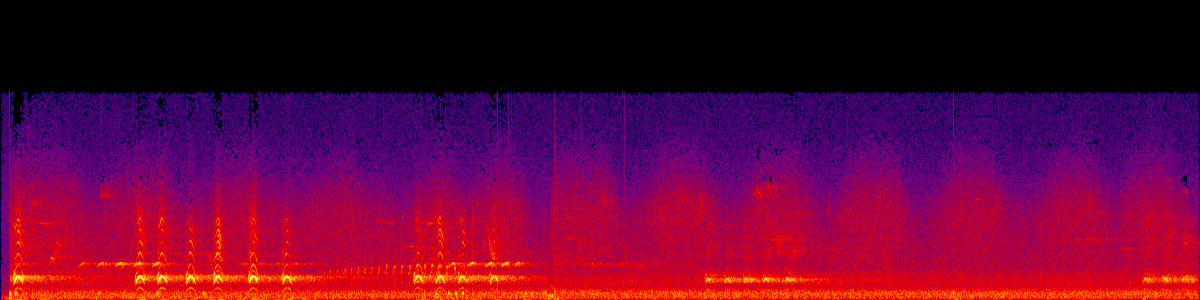
G McGrane’s archive note identifies the microphone type. This is the full 19.9-second original, rather than the starter’s eight-second excerpt.

Frequency over time for a parabolic-microphone recording. Read the source notes below for the archive's description.
Read left to right as time passes; higher marks represent higher frequencies. Colour shows recorded energy, not the bird’s intent. Recording levels affect brightness.

Listen now. The observation and replay controls will be ready shortly.

Recording source and limits

Archive identifier: american-crow.

G McGrane, 2004. Public domain.

Archive description: Typical American Crow call. Recorded with parabolic mike.

The group label comes from source metadata. Source observations, where supplied, are the recordist’s account; they are not a reviewed answer key or a translation.

Inspect the original recording and source notes
Open the original sound picture

Two crows in neighbouring trees

Field recording · 127 seconds

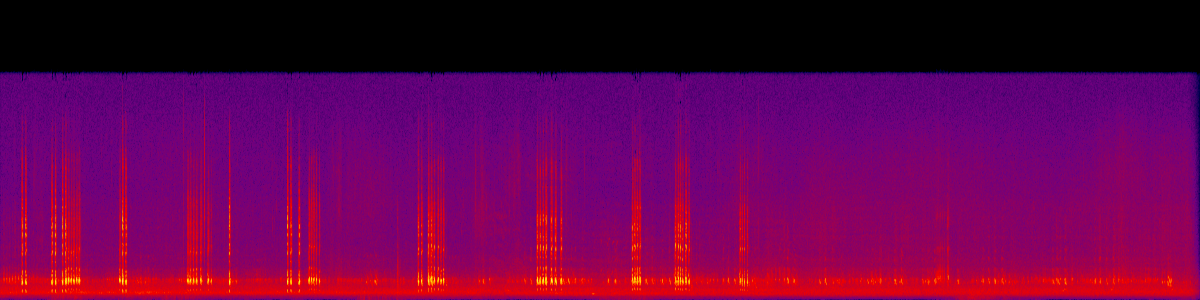
Jonathon Jongsma’s note describes crows about ten metres up. The full file is about two minutes; you can pause after a short section.

Frequency over time for two crows in neighbouring trees. Read the source notes below for the archive's description.
Read left to right as time passes; higher marks represent higher frequencies. Colour shows recorded energy, not the bird’s intent. Recording levels affect brightness.

Listen now. The observation and replay controls will be ready shortly.

Recording source and limits

Archive identifier: xc112598.

Jonathon Jongsma, 2012-11-12. CC BY-SA 3.0.

Archive description: A couple of crows calling from about 10m up in neighboring Cottonwood trees.

Source observations: The recordist describes a bird appearing to draw in air, bend its back and lower its bill toward its chest alongside quiet hoo-woo sounds at 1:52, 1:57 and 2:03. These are reported observations near the end of the full file, outside an opening eight-second excerpt. They do not establish the bird’s intent or a universal call meaning.

The group label comes from source metadata. Source observations, where supplied, are the recordist’s account; they are not a reviewed answer key or a translation.

Inspect the original recording and source notes
Open the original sound picture

Check the evidence · no acoustic score

Which comparison do these source notes support?

Use the explanation and source notes above. Choices last for this visit and are not sent to analytics.

Read the explanation

The notes document different details; we cannot compare bird loudness. Neither establishes equal distance or a calibrated loudness comparison.

Follow the evidence

Cornell Lab’s American crow sound guide

Source descriptions provide context. Recording labels and listening examples await independent acoustic review; these questions check visible facts, not recognition of unfamiliar calls.

Make this a listening habit

Six skills, at your own pace. An exploration mark means you chose to finish a lesson; it does not certify call recognition. Marks stay in this browser, with no account or synchronization.

Frequently asked

What people ask about this.

Which comparison do these source notes support?

The notes document different details; we cannot compare bird loudness. Neither establishes equal distance or a calibrated loudness comparison.

Does completing this lesson prove I can recognize crow calls?

No. The questions check the explanation and visible source facts. Listening observations are ungraded, and marking a lesson explored is your own record of a visit. The examples await independent acoustic review.