Skip to content
CrowLingo

Read a sound picture

A spectrogram turns sound into a picture. Think of it as a timeline with low frequencies near the bottom and high frequencies near the top. You can use it to notice a pattern before you know its name.

About 3 minutes · Pause whenever you like. Audio loads on request. Use headphones; do not broadcast recordings to wild birds.

Three directions to read

Left to right is time. Bottom to top is frequency: how quickly a sound vibrates. Colour represents recorded energy at a particular time and frequency. A single call can contain several frequencies at once, so one bright mark is not necessarily one note or one bird.

Try it with a recording

Use Clip A below as a shared reference from your first listen. Play it, then follow the picture from left to right. Notice a gap or a repeated shape. Describe where it happens without deciding what the crow meant.

Clip A · shared eight-second reference

Field recording · 8 seconds excerpt

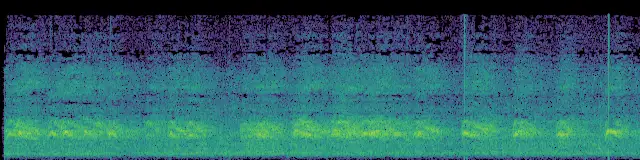
This is the same Clip A used in the starter. Its picture covers 0–8 seconds and 0–8 kHz, so the axes have a known range.

Frequency over time for clip a · shared eight-second reference. Read the source notes below for the archive's description.
Left to right: 0–8 seconds. Bottom to top: 0–8 kHz. Colour shows recorded energy, not the bird’s intent. Recording levels affect brightness.

Listen now. The observation and replay controls will be ready shortly.

Recording source and limits

Archive identifier: corvus-brachyrhynchos-call.

United States Geological Survey, date not supplied. Public domain.

Archive description: Call of Corvus brachyrhynchos (American Crow)

Excerpt: 0–8 seconds of the original. Mono, 16 kHz, compressed for listening. The sound picture is derived from this excerpt. Source metadata checked; listening cues describe observations, not a validated recognition test.

The group label comes from source metadata. Source observations, where supplied, are the recordist’s account; they are not a reviewed answer key or a translation.

Inspect the original recording and source notes
Open the original sound picture

Check the evidence · no acoustic score

What does moving higher in this sound picture represent?

Use the explanation and source notes above. Choices last for this visit and are not sent to analytics.

Read the explanation

The supported answer is higher frequency. Colour describes recorded energy, not urgency or a calibrated measurement of the bird’s loudness.

Follow the evidence

Cornell Lab’s American crow sound guide

Source descriptions provide context. Recording labels and listening examples await independent acoustic review; these questions check visible facts, not recognition of unfamiliar calls.

Make this a listening habit

Six skills, at your own pace. An exploration mark means you chose to finish a lesson; it does not certify call recognition. Marks stay in this browser, with no account or synchronization.

Frequently asked

What people ask about this.

What does moving higher in this sound picture represent?

The supported answer is higher frequency. Colour describes recorded energy, not urgency or a calibrated measurement of the bird’s loudness.

Does completing this lesson prove I can recognize crow calls?

No. The questions check the explanation and visible source facts. Listening observations are ungraded, and marking a lesson explored is your own record of a visit. The examples await independent acoustic review.