Skip to content
CrowLingo

Starter preview · about 90 seconds

Listen before you label.

Explore three short American crow recordings. Notice how sounds are spaced, check the source description, and see a spectrogram—a picture of sound over time.

No account, score, or timer. Audio starts only on your request. Use headphones; do not play calls to wild birds.

No score, no timer. Choose an observation before opening the source note.

Step 1: listen to Clip A

What do you notice about the spacing? Choose what you hear, then compare it with the source note. “I’m not sure” is a useful observation.

My listening observation
Reveal the source note

American crow call

The source identifies this as an American crow call. Compare the spaces between sounds; the description does not identify the bird’s intent.

Your observation is saved, not marked right or wrong. Source labels are not an independently reviewed answer key.
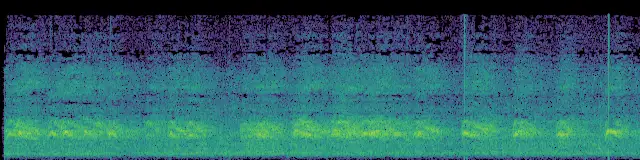
Sound energy across eight seconds of American crow call; frequency rises from bottom to top.
Left → right: 0–8 seconds. Bottom → top: 0–8 kHz. Brighter colours show stronger recorded energy; microphone settings affect brightness.
Source & evidence · Clip A

Corvus brachyrhynchos call.ogg · United States Geological Survey

Excerpt
0–8 seconds of the source. Mono, 16 kHz; compressed for listening.
Label source
Archive / recordist description, not a CrowLingo classifier.
Review status
Source metadata checked; excerpt listening and answer-key review pending.
License
Public domain. The excerpt and sound picture retain the source terms and attribution.

Call of Corvus brachyrhynchos (American Crow)

Original source and metadata · Full recording in the Atlas

These files do not include synchronized observations of the bird. They cannot establish its intent, sex, or emotional state.
Step 2: listen to Clip B

What do you notice about the spacing? Choose what you hear, then compare it with the source note. “I’m not sure” is a useful observation.

My listening observation
Reveal the source note

Typical call, described by the recordist

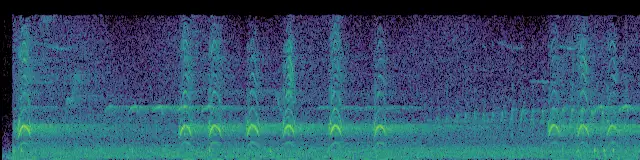
The recordist describes a typical American crow call, recorded with a parabolic microphone. Differences in recording equipment can change what you hear.

Your observation is saved, not marked right or wrong. Source labels are not an independently reviewed answer key.

Sound energy across eight seconds of Typical call, described by the recordist; frequency rises from bottom to top.
Left → right: 0–8 seconds. Bottom → top: 0–8 kHz. Brighter colours show stronger recorded energy; microphone settings affect brightness.
Source & evidence · Clip B

American Crow.ogg · G McGrane

Excerpt
0–8 seconds of the source. Mono, 16 kHz; compressed for listening.
Label source
Archive / recordist description, not a CrowLingo classifier.
Review status
Source metadata checked; excerpt listening and answer-key review pending.
License
Public domain. The excerpt and sound picture retain the source terms and attribution.

Typical American Crow call. Recorded with parabolic mike.

Original source and metadata · Full recording in the Atlas

These files do not include synchronized observations of the bird. They cannot establish its intent, sex, or emotional state.

Step 3: listen to Clip C

What do you notice about the spacing? Choose what you hear, then compare it with the source note. “I’m not sure” is a useful observation.

My listening observation
Reveal the source note

Rattling calls, described by the recordist

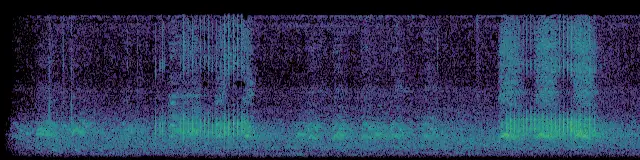
The recordist describes soft rattling calls at about ten metres from the microphone. Their note mentions a coo around 27 seconds in the full recording; that part is outside this excerpt.

Your observation is saved, not marked right or wrong. Source labels are not an independently reviewed answer key.

Sound energy across eight seconds of Rattling calls, described by the recordist; frequency rises from bottom to top.
Left → right: 0–8 seconds. Bottom → top: 0–8 kHz. Brighter colours show stronger recorded energy; microphone settings affect brightness.
Source & evidence · Clip C

Corvus brachyrhynchos - American Crow XC115429.mp3 · Jonathon Jongsma

Excerpt
0–8 seconds of the source. Mono, 16 kHz; compressed for listening.
Label source
Archive / recordist description, not a CrowLingo classifier.
Review status
Source metadata checked; excerpt listening and answer-key review pending.
License
CC BY-SA 3.0. The excerpt and sound picture retain the source terms and attribution.

:Soft rattling calls given at approximately 10m from microphone, and at least one 'coo' sound around 0:27.

Original source and metadata · Full recording in the Atlas

These files do not include synchronized observations of the bird. They cannot establish its intent, sex, or emotional state.

Can this sound tell us “food,” “danger,” or “hello”? We do not have enough evidence. A familiar sound pattern is not a translation.

Saved only in this browser when JavaScript is available. No account or cross-device sync. Reset removes this lesson’s progress.

This is a practice preview, not a validated test of call recognition. All three recordings have source attribution. Their labels and teaching excerpts have not had independent listening review.

Read the comparison and all sources →

Frequently asked

What people ask about this.

Is this a test of my crow-call recognition?

No. Your observations are not marked right or wrong. These are source-described examples awaiting independent listening and answer-key review. Completing the starter records that you explored its three steps, not that you can recognize unfamiliar calls.