Skip to content
CrowLingo
← All listening lessons

A short review · your pace · replay freely

Make careful listening a habit.

Choose a habit and explore three recordings not used in the six lessons. Notice a pattern, or check what a source actually documents. Listen to a short section, pause and replay. “I’m not sure” is a useful response.

These are three existing full originals, not new teaching clips. Both habits reuse them; they are not six independent examples. Audio loads on request. Use headphones at a comfortable volume; do not broadcast recordings to wild birds.

An American crow in Southern California

Field recording · 13 seconds

A 13-second original by Morez882. The source supplies a place and date, not a behaviour explanation.
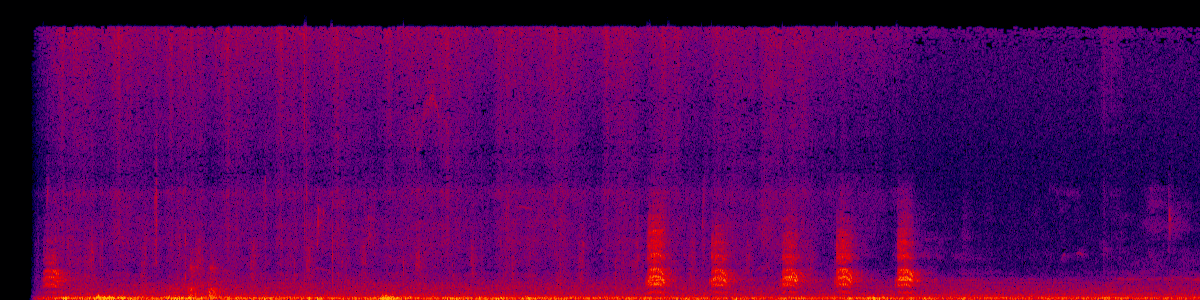
Frequency over time for an american crow in southern california. Read the source notes below for the archive's description.
Read left to right as time passes; higher marks represent higher frequencies. Colour shows recorded energy, not the bird’s intent. Recording levels affect brightness.

Listen now. The observation and replay controls will be ready shortly.

Recording source and limits

Archive identifier: american-crow-in-spring.

Morez882, 2020-02-05. CC BY-SA 4.0.

Archive description: Recorded in Southern California

The group label comes from source metadata. Source observations, where supplied, are the recordist’s account; they are not a reviewed answer key or a translation.

Inspect the original recording and source notes
Open the original sound picture

What fact does this recording’s source provide?

The source names Southern California. Place and date do not establish what the bird intended or why it called.

A crow the recordist saw

Field recording · 47 seconds

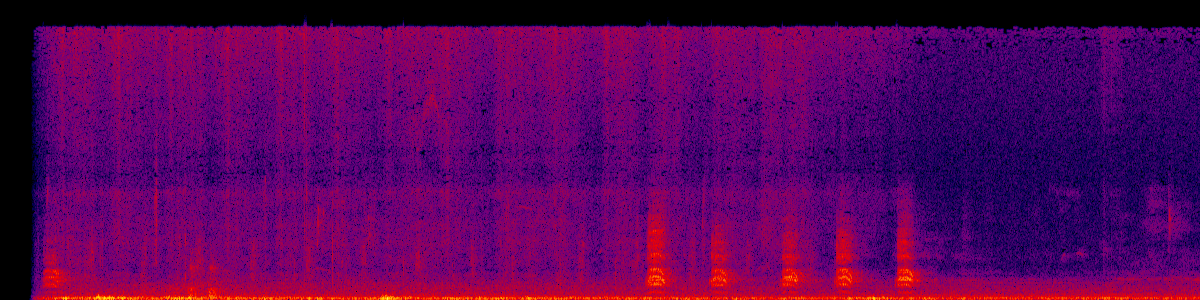
A 46-second original by Jonathon Jongsma. The brief source notes report that the bird was seen; behaviour context is not supplied.

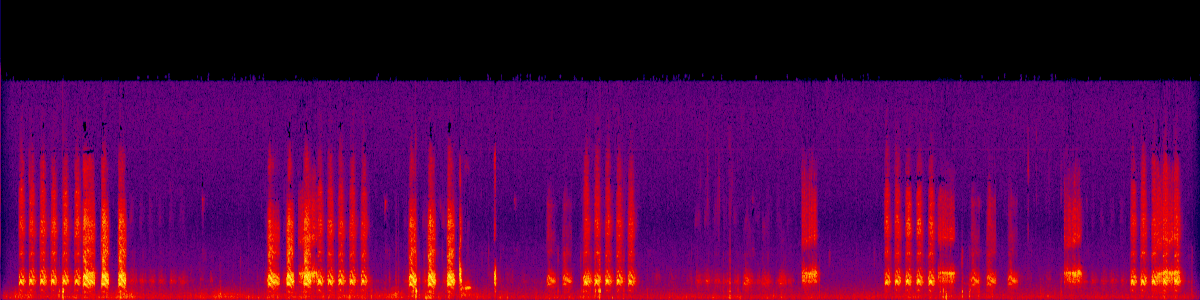
Frequency over time for a crow the recordist saw. Read the source notes below for the archive's description.
Read left to right as time passes; higher marks represent higher frequencies. Colour shows recorded energy, not the bird’s intent. Recording levels affect brightness.

Listen now. The observation and replay controls will be ready shortly.

Recording source and limits

Archive identifier: xc69128.

Jonathon Jongsma, 2011-01-06. CC BY-SA 3.0.

Archive description: bird-seen:yes

The group label comes from source metadata. Source observations, where supplied, are the recordist’s account; they are not a reviewed answer key or a translation.

Inspect the original recording and source notes
Open the original sound picture

What does the source’s bird-seen note establish?

The note reports that the bird was seen. It does not identify the message or provide a behaviour explanation for each sound.

A flock in a residential neighbourhood

Field recording · 201 seconds

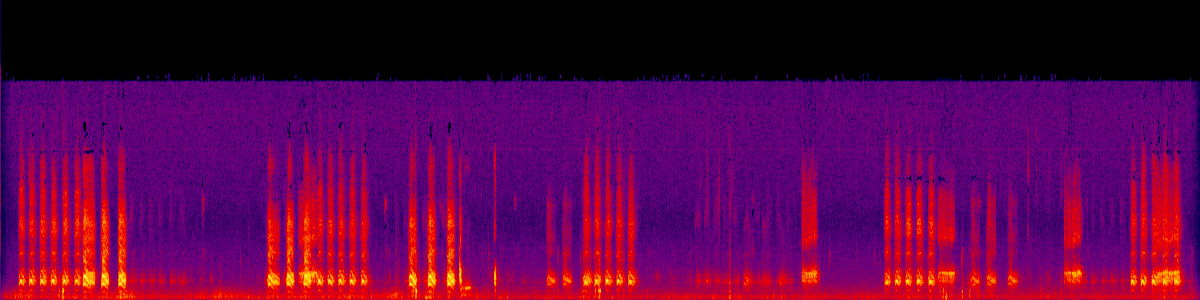
A roughly three-minute original by Jonathon Jongsma. Listen to a short section and pause freely. The source describes a flock of approximately 30 birds.

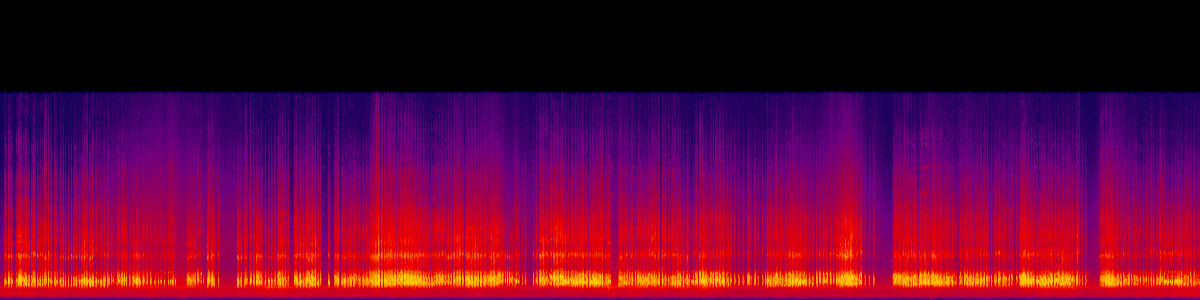
Frequency over time for a flock in a residential neighbourhood. Read the source notes below for the archive's description.
Read left to right as time passes; higher marks represent higher frequencies. Colour shows recorded energy, not the bird’s intent. Recording levels affect brightness.

Listen now. The observation and replay controls will be ready shortly.

Recording source and limits

Archive identifier: xc155440.

Jonathon Jongsma, 2013-11-08. CC BY-SA 3.0.

Archive description: Calls from a flock of approximately 30 birds in a large elm tree in residential neighborhood.

The group label comes from source metadata. Source observations, where supplied, are the recordist’s account; they are not a reviewed answer key or a translation.

Inspect the original recording and source notes
Open the original sound picture

What does the flock description tell us?

The note describes approximately 30 birds in a large elm in a residential neighbourhood. A setting count does not assign every sound to a bird or establish how many called at once.

Responses stay in this browser only, are not sent to analytics, and may disappear if browser storage is cleared or evicted. Both habits reuse the same three files. Pattern descriptions are ungraded; source checks use visible notes. Independent acoustic teaching review is still pending.

Keep an observation in your private notebook →Explore the recording Atlas →

Frequently asked

What people ask about this.

Is this a graded recognition test?

No. Sound-pattern descriptions are ungraded; source checks use facts visible in the archive notes. Trying three responses is exploration, not a mastery score. Independent acoustic teaching review is pending.

Are these different recordings from the six lessons?

Yes. The review uses three existing archive originals not used in the six lessons. Both review habits reuse those same files; that does not create six independent examples or a validated generalization test.

Where are my review responses stored?

In this browser’s local storage only, with a reset control. They are not synchronized or sent to analytics and may disappear if storage is cleared or evicted. If saving fails, review remains usable for this visit.