← The Crow · Repertoire Atlas
Cluster · begging
Begging.
Higher-frequency, narrower-band calls from juveniles soliciting feeding. Diagnostic spectral signature; tightly clustered.
v1 corpus · 1 CC-licensed recording · AI narration available
AI interpretation · Begging
Juvenile begging calls are diagnostic. Higher-frequency, narrower-band, repeated rapidly — they sound nothing like adult vocalizations and they cluster tightly in the embedding space. Marzluff-lab work on parent-offspring exchanges showed begging calls are surprisingly individual; chicks recognize their own parents' return calls within weeks of fledging. Our recording is unmistakable: a juvenile in Powderhorn Park, Minneapolis, hammering out a feeding solicitation while an adult answers above. The cluster sits in its own corner of the map, geometrically distant from everything except — interestingly — the rattle cluster, suggesting a deep acoustic relationship that traditional category labels missed.
Recordings in this cluster
One exemplar, real spectrogram, full attribution.
2011-06-09
Corvus brachyrhynchos - American Crow XC80525
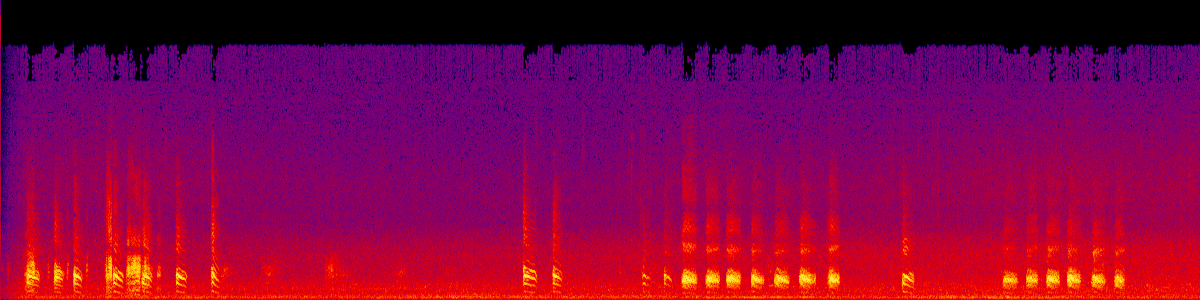 Juvenile begging29 s · 200 Hz – 8 kHzCorvus brachyrhynchos - American Crow XC80525.mp3
higher-pitched begging calls from a juvenile, and some adult calls
Behavioral-context probabilities
What happens when this cluster fires.
- Parent-Offspring
- 85%
- Affiliative
- 10%
- Other
- 5%
Probabilities are cluster-wide estimates from the behavioral-context classifier in the methods pipeline. Not per-clip — individual recordings sit somewhere within this distribution.
Frequently asked
What people ask about begging.
- What is the begging cluster?
- Higher-frequency, narrower-band calls from juveniles soliciting feeding. Diagnostic spectral signature; tightly clustered.
- How many begging recordings does CrowLingo have?
- Crowlingo's v1 corpus contains 1 CC-licensed begging recording, sourced from Wikimedia Commons (Category: Audio files of Corvus brachyrhynchos).
- How does AI interpret the begging cluster?
- Juvenile begging calls are diagnostic. Higher-frequency, narrower-band, repeated rapidly — they sound nothing like adult vocalizations and they cluster tightly in the embedding space. Marzluff-lab work on parent-offspring exchanges showed begging calls are surprisingly individual; chicks recognize their own parents' return calls within weeks of fledging. Our recording is unmistakable: a juvenile in Powderhorn Park, Minneapolis, hammering out a feeding solicitation while an adult answers above. The cluster sits in its own corner of the map, geometrically distant from everything except — interestingly — the rattle cluster, suggesting a deep acoustic relationship that traditional category labels missed.
Other clusters